

Lorazepam 2mg: Uses, Benefits, and Precautions
Lorazepam is a commonly prescribed benzodiazepine used to manage anxiety-related conditions. This guide reviews the 2mg dosage, its applications, and key considerations for safe use.
Anxiety disorders are common and can significantly affect daily life. Lorazepam 2mg provides relief from persistent anxiety, panic attacks, and related symptoms. This guide outlines its mechanisms, benefits, and precautions to support safe and effective use.
This article provides key information about buying lorazepam 2mg and its role in psychiatric care, whether you are considering it as a treatment or seeking to learn more.
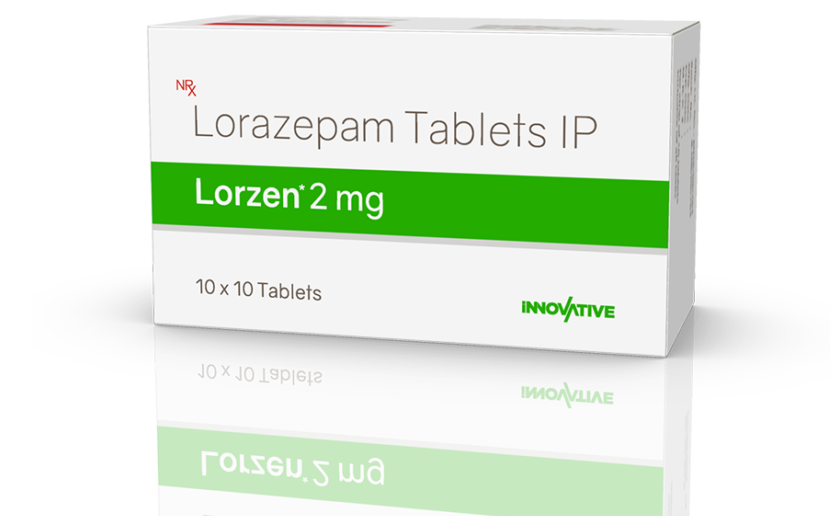
Mechanism of Action
Lorazepam 2mg is classified as a benzodiazepine, a group of medications recognised for their anxiolytic, sedative, and muscle relaxant effects. Comprehending its mechanism of action in the brain is essential for evaluating both its therapeutic benefits and associated risks.
GABA Receptor Interaction
The primary mechanism of action of lorazepam is to potentiate the effects of gamma-aminobutyric acid (GABA), the principal inhibitory neurotransmitter in the brain. Lorazepam binds to specific sites on GABA-A receptors, thereby increasing GABA’s inhibitory effects throughout the central nervous system.
This augmentation of GABA activity leads to:
- Reduced neuron excitability
- Decreased anxiety and tension
- Promotion of relaxation and sleep
Rapid Onset of Action
Lorazepam is characterised by a relatively rapid onset of action compared to other benzodiazepines. This property is attributed to its high lipophilicity, which facilitates efficient crossing of the blood-brain barrier and rapid modulation of neural circuits involved in anxiety and arousal.
Duration of Effects
Although lorazepam has a rapid onset, its duration of action is classified as intermediate among benzodiazepines. A 2mg dose generally produces effects lasting 6 to 8 hours, although individual variability may occur due to differences in metabolism and health status.
Regular use of lorazepam may lead to tolerance, requiring higher doses for the same effect. Physical dependence can also develop, so discontinuation should be managed carefully with gradual dose reduction.
Understanding these pharmacological principles helps patients and healthcare providers make informed decisions about using lorazepam 2mg as part of a comprehensive treatment plan for anxiety-related conditions.
Medical Uses and Indications
Lorazepam 2mg is a versatile medication with multiple approved and off-label indications in clinical practice. Its anxiolytic and sedative properties are beneficial for managing conditions associated with anxiety, sleep disturbances, and acute medical scenarios.
Anxiety Disorders
The primary indication for lorazepam 2mg is the treatment of anxiety disorders. It can effectively manage symptoms associated with:
- Generalised Anxiety Disorder (GAD)
- Panic Disorder
- Social Anxiety Disorder
- Specific Phobias
In these conditions, lorazepam can reduce excessive worry, restlessness, and physical symptoms of anxiety such as rapid heartbeat and sweating. While not usually a first-line treatment for chronic insomnia, lorazepam 2mg may be prescribed short-term for sleep difficulties when anxiety is a factor. It can help:
- Reduce the time it takes to fall asleep
- Increase total sleep time
- Improve sleep quality
Pre-operative Sedation
In hospital settings, lorazepam is frequently administered as premedication before surgery or other medical procedures. A 2mg dose may:
- Reduce anxiety related to upcoming procedures
- Induce amnesia, preventing recall of potentially distressing events
- Enhance the effects of anaesthesia
Under medical supervision, lorazepam may be used to manage symptoms of acute alcohol withdrawal syndrome. It is effective in preventing or treating:
- Seizures
- Delirium tremens
- Severe anxiety and agitation
Chemotherapy-induced Nausea
Lorazepam may be prescribed as adjunctive therapy to manage chemotherapy-induced nausea and vomiting. Its sedative properties can provide symptomatic relief in these cases.
Epilepsy
Lorazepam is also utilised in the emergency management of status epilepticus, a prolonged seizure state, typically via intravenous administration rather than oral dosing.
Off-label Uses
While not FDA-approved for these purposes, some healthcare providers may prescribe lorazepam 2mg for:
- Vertigo and dizziness
- Tension headaches
- Irritable bowel syndrome (IBS)
Off-label use of lorazepam should only occur under close medical supervision after careful evaluation of risks and benefits. Lorazepam 2mg plays an essential role in modern healthcare. Still, it should always be used under the guidance of a qualified healthcare professional who can assess individual needs and monitor for side effects or complications.
Dosage and Administration
Proper dosing and administration of lorazepam 2mg are crucial for achieving optimal therapeutic benefits while minimising the risk of adverse effects. Healthcare providers carefully consider various factors when prescribing this medication, including the patient’s age, weight, medical history, and the specific condition being treated.
Standard Dosing Guidelines
For adult patients, the typical dosing range for lorazepam varies depending on the indication:
- Anxiety disorders: 2-3 mg/day, divided into 2-3 doses
- Insomnia: 2-4 mg at bedtime
- Pre-operative sedation: 2-4 mg the night before surgery
The 2mg dose is considered a moderate to high strength within the therapeutic range. Clinicians typically initiate treatment with lower doses and adjust based on patient response.
Administration Methods
Lorazepam 2mg is available in several forms:
- Tablets: The most common form, taken orally with or without food
- Sublingual tablets: Placed under the tongue for faster absorption
- Oral concentrate: A liquid form that can be mixed with liquids or semi-solid foods
- Injectable solution: For hospital use in emergencies or severe cases
Timing Considerations
The timing of lorazepam administration can significantly impact its effectiveness:
- For anxiety: Doses are typically spread throughout the day, with the last dose often taken at bedtime
- For insomnia: Taken 30-60 minutes before desired sleep time
- For pre-operative use: Usually given 1-2 hours before the procedure
Duration of Treatment
Lorazepam 2mg is generally intended for short-term use, typically not exceeding 2-4 weeks for anxiety or insomnia. Prolonged use increases the risk of dependence and tolerance. However, in some cases, under close medical supervision, longer-term use may be deemed necessary.
Special Populations
Dosage adjustments may be required for specific groups:
- Elderly patients: Often start with half the standard adult dose due to increased sensitivity
- Patients with liver impairment: May require lower doses or extended intervals between doses
- Individuals with respiratory conditions: Careful monitoring is necessary due to the potential for respiratory depression
Missed Doses
If a dose is missed, it should be taken as soon as remembered. If the next scheduled dose is imminent, the missed dose should be omitted to prevent unintentional overdose.
Discontinuation
Abrupt discontinuation of lorazepam 2mg can lead to withdrawal symptoms. A gradual tapering schedule, typically over several weeks, is recommended when stopping treatment. A healthcare provider should always supervise this process.
Adherence to established dosage and administration guidelines is essential for both patients and caregivers. Following prescribed regimens supports the safe and effective use of lorazepam 2mg in the management of anxiety and related conditions.
Side Effects and Adverse Reactions
Although lorazepam 2mg is effective in treating anxiety and related conditions, awareness of potential side effects and adverse reactions is essential. Recognising these risks enables patients and healthcare providers to make informed decisions and monitor for adverse developments during treatment.
Common Side Effects
Many patients experience mild side effects that often subside as the body adjusts to the medication. These may include:
- Drowsiness and sedation
- Dizziness
- Weakness or unsteadiness
- Blurred vision
- Dry mouth
- Nausea or changes in appetite
- Headache
- Confusion or disorientation
Cognitive and Psychomotor Effects
Lorazepam can impact cognitive function and motor skills, leading to:
- Decreased concentration and attention span
- Impaired memory, particularly short-term recall
- Slowed reaction times
- Reduced coordination
These effects are often more pronounced in elderly patients and may elevate the risk of falls or accidents.
Paradoxical Reactions
In some cases, particularly in children, elderly patients, or those with certain psychiatric conditions, lorazepam may cause paradoxical reactions such as:
- Increased anxiety or agitation
- Aggression or hostility
- Hallucinations
- Insomnia
Respiratory Depression
Although rare at therapeutic doses, lorazepam 2mg may cause respiratory depression, particularly when administered with other central nervous system depressants. This risk is heightened in patients with pre-existing respiratory conditions or those receiving opioid medications.
Allergic Reactions
Although uncommon, some individuals may experience allergic reactions to lorazepam, which can manifest as:
- Skin rashes or hives
- Itching
- Swelling of the face, lips, tongue, or throat
- Difficulty breathing
Long-term Effects
Prolonged use of lorazepam 2mg may lead to:
- Tolerance: Requiring higher doses to achieve the same therapeutic effect
- Dependence: Physical and psychological reliance on the medication
- Cognitive decline: Potential impact on memory and cognitive function, especially in elderly patients
- Increased risk of falls and fractures in older adults
Withdrawal Symptoms
Abrupt discontinuation of lorazepam after regular use can result in withdrawal symptoms, including:
- Rebound anxiety or insomnia
- Irritability and restlessness
- Tremors
- Sweating
- Nausea and vomiting
- In severe cases, seizures or hallucinations
Rare but Serious Adverse Effects
While infrequent, some serious adverse effects have been reported with lorazepam use:
- Severe skin reactions (e.g., Stevens-Johnson syndrome)
- Liver dysfunction
- Blood disorders
- Suicidal thoughts or behaviors (particularly in patients with depression)
Monitoring and Reporting
Patients taking lorazepam 2mg should be closely monitored, especially during the initial treatment period. Any new or worsening symptoms should be promptly reported to a healthcare provider. Regular follow-up appointments allow for assessment of the medication’s effectiveness and any potential adverse effects.
Awareness of the potential side effects and adverse reactions associated with lorazepam 2mg enables patients and healthcare providers to make informed decisions regarding its use. Ongoing vigilance and clear communication are essential to ensure safe and effective treatment.ractions
Lorazepam 2mg may interact with a range of medications and substances, which can alter its effectiveness or increase the risk of adverse effects. Awareness of these interactions is critical for safe and effective treatment. Patients are advised to inform healthcare providers of all medications, supplements, and substances in use.
Central Nervous System (CNS) Depressants
Combining lorazepam with other CNS depressants can lead to additive sedative effects and increased risk of respiratory depression. Key interactions include:
- Opioid pain medications (e.g., morphine, oxycodone)
- Alcohol
- Barbiturates
- Other benzodiazepines
- Certain antidepressants
- Antihistamines with sedating properties
Antidepressants
While some antidepressants can safely be used with lorazepam, others may require caution:
- SSRIs: Generally safe, but may increase sedation
- MAOIs: Can potentiate the effects of lorazepam
- Tricyclic antidepressants: May increase sedation and anticholinergic effects
Anticonvulsants
Some anticonvulsant medications can affect lorazepam metabolism:
- Carbamazepine: May decrease lorazepam levels
- Valproic acid: Can increase lorazepam concentrations
Antipsychotics
Combining lorazepam with antipsychotic medications may enhance sedation and increase the risk of respiratory depression. Close monitoring is essential when using these medications together.
Probenecid
This medication, used to treat gout, can increase lorazepam levels by inhibiting its metabolism, potentially leading to enhanced sedation and other side effects.
Theophylline
This bronchodilator can decrease the sedative effects of lorazepam, potentially reducing its anxiolytic properties.
Caffeine
Regular caffeine consumption may partially counteract the sedative effects of lorazepam, potentially reducing its effectiveness in managing anxiety or insomnia.
Herbal Supplements
Certain herbal products can interact with lorazepam:
- St. John’s Wort: May decrease lorazepam levels
- Valerian root: Can increase sedation
- Kava kava: May enhance CNS depression
Grapefruit Juice
Regular consumption of grapefruit juice can increase lorazepam levels by inhibiting its metabolism, potentially leading to enhanced sedation and other side effects.
Contraceptives
Oral contraceptives may decrease the clearance of lorazepam, potentially increasing its effects and duration of action.
Digoxin
Lorazepam may increase digoxin levels, necessitating close monitoring in patients taking both medications.
Anesthetics
When used in combination with anaesthetics, lorazepam can enhance their effects, requiring dose adjustments during surgical procedures.
Management of Drug Interactions
To minimise the risk of adverse interactions:
- Maintain an up-to-date list of all medications and supplements
- Inform all healthcare providers about lorazepam use
- Avoid alcohol consumption while taking lorazepam
- Do not start or stop any medications without consulting a healthcare provider
- Be aware of potential interactions with over-the-counter products
Healthcare providers may need to adjust dosages, monitor drug levels, or consider alternative therapies when managing patients prescribed lorazepam 2mg in combination with other medications. Regular follow-up and clear communication between patients and healthcare teams are essential for maintaining safety and efficacy.
Contraindications and Precautions
While lorazepam 2mg can be an effective treatment for anxiety and related conditions, there are certain situations where its use is contraindicated or requires special precautions. Understanding these limitations is crucial for ensuring patient safety and optimal therapeutic outcomes.
Absolute Contraindications
Lorazepam should not be used in patients with:
- Known hypersensitivity to lorazepam or other benzodiazepines
- Acute narrow-angle glaucoma
- Myasthenia gravis (a neuromuscular disorder)
- Severe respiratory insufficiency
- Sleep apnea syndrome
Relative Contraindications
Caution is advised when prescribing lorazepam to patients with:
- Chronic respiratory diseases (e.g., COPD, asthma)
- Liver or kidney impairment
- History of substance abuse or addiction
- Severe depression or suicidal tendencies
- Personality disorders
- Acute alcohol intoxication
Pregnancy and Breastfeeding
Lorazepam is generally not recommended during pregnancy or breastfeeding due to potential risks to the fetus or infant. Use during pregnancy, especially in the first trimester, has been associated with an increased risk of congenital malformations. If used late in pregnancy, it may cause neonatal sedation or withdrawal symptoms.
Pediatric Use
Lorazepam is not typically recommended for children under 12 years of age due to limited safety and efficacy data in this population. When used in adolescents, close monitoring is essential due to the potential for paradoxical reactions.
Geriatric Use
Elderly patients are more sensitive to the effects of benzodiazepines and may require lower doses of lorazepam. Special considerations include:
- Increased risk of falls and fractures
- Potential for cognitive impairment
- Greater susceptibility to respiratory depression
Occupational Hazards
Patients should be cautioned about engaging in activities requiring mental alertness, such as operating machinery or driving, while taking lorazepam due to its sedative effects.
History of Seizures
While lorazepam can be used to treat certain types of seizures, it may worsen seizure control in some patients with epilepsy. Close monitoring is necessary when prescribing lorazepam to individuals with a history of seizures.
Psychiatric Conditions
Care should be taken when prescribing lorazepam to patients with:
- Bipolar disorder
- Schizophrenia
- Personality disorders
In these cases, lorazepam should be used as part of a comprehensive treatment plan under close psychiatric supervision.
Hepatic Impairment
Patients with liver disease may have altered metabolism of lorazepam, potentially leading to increased drug accumulation. Dose adjustments and careful monitoring are often necessary.
Renal Impairment
While lorazepam is primarily metabolised in the liver, patients with severe kidney disease may experience prolonged effects and require dosage adjustments.
History of Substance Abuse
Individuals with a history of drug or alcohol abuse are at higher risk of developing dependence on lorazepam. Alternative treatments should be considered, or if lorazepam is deemed necessary, close monitoring and strict adherence to prescribed dosages are essential.
Precautions During Long-term Use
For patients requiring long-term treatment with lorazepam:
- Regular reassessment of the need for continued therapy
- Monitoring for development of tolerance or dependence
- Periodic liver and kidney function tests
- Assessment of cognitive function, especially in older adults
Discontinuation Precautions
When discontinuing lorazepam after prolonged use:
- Gradual tapering of the dose is essential to minimise withdrawal symptoms.
- Close medical supervision during the tapering process
- Consideration of alternative treatments or coping strategies for the underlying anxiety
Awareness of these contraindications and precautions is essential for both healthcare providers and patients. Careful consideration of individual patient factors and potential risks optimises lorazepam 2mg therapy, maximising efficacy while minimising adverse effects and complications.
Pharmacokinetics and Metabolism
Knowledge of the pharmacokinetics and metabolism of lorazepam 2mg is essential for understanding its therapeutic effects, duration of action, and potential for drug interactions. This information enables healthcare providers to optimise dosing regimens and anticipate medication behaviour in diverse patient populations.
Absorption
Lorazepam is rapidly and almost completely absorbed when taken orally. Key points about its absorption include:
- Peak plasma concentrations are reached within 1-2 hours after oral administration
- The presence of food in the stomach does not significantly affect absorption
- Sublingual administration can lead to a faster onset of action
Distribution
Once absorbed, lorazepam is distributed throughout the body:
- It readily crosses the blood-brain barrier due to its lipophilic nature
- Approximately 85% of lorazepam in the bloodstream is bound to plasma proteins
- The volume of distribution is relatively small, indicating limited tissue distribution
Metabolism
Lorazepam undergoes hepatic metabolism, primarily through glucuronidation:
- The main metabolic pathway involves conjugation with glucuronic acid
- This process forms an inactive metabolite, lorazepam glucuronide
- Unlike some other benzodiazepines, lorazepam does not undergo significant oxidative metabolism via the cytochrome P450 system
Elimination
The elimination of lorazepam occurs primarily through the kidneys:
- The elimination half-life of lorazepam is approximately 12-18 hours in healthy adults
- Lorazepam glucuronide is excreted in the urine
- A small amount of unchanged lorazepam may also be excreted in the urine
Factors Affecting Pharmacokinetics
Several factors can influence the pharmacokinetics of lorazepam:
- Age: Elderly patients may have prolonged elimination half-lives
- Liver function: Impaired hepatic function can lead to decreased metabolism and increased drug accumulation
- Kidney function: Severe renal impairment may affect the excretion of lorazepam glucuronide
- Body composition: Obesity can increase the volume of distribution and potentially prolong the effects
- Genetic factors: Variations in glucuronidation enzymes may affect metabolism rates
Steady-State Concentrations
With regular dosing, lorazepam typically reaches steady-state plasma concentrations within 2-3 days. This relatively rapid achievement of a steady state contributes to its predictable therapeutic effects.
Comparison to Other Benzodiazepines
Lorazepam has several pharmacokinetic advantages over some other benzodiazepines:
- No active metabolites, leading to more predictable effects
- Less accumulation in patients with liver disease due to the liver’s glucuronidation pathway
- Relatively long half-life compared to short-acting benzodiazepines, allowing for less frequent dosing
Implications for Clinical Use
Understanding the pharmacokinetics of lorazepam 2mg informs several aspects of its clinical use:
- Dosing frequency: Typically 2-3 times daily for anxiety management
- Onset of action: Rapid effects make it suitable for acute anxiety relief
- Duration of action: Intermediate duration allows for sustained anxiolytic effects
- Potential for accumulation: Consideration in patients with impaired metabolism or elimination
Drug Interactions Based on Metabolism
Lorazepam’s unique metabolic pathway results in fewer drug interactions than those of benzodiazepines metabolized by the cytochrome P450 system. However, some interactions to consider include:
- Probenecid: Can inhibit glucuronidation, potentially increasing lorazepam levels
- Valproic acid: May compete for glucuronidation enzymes, affecting lorazepam metabolism
Therapeutic Drug Monitoring
While routine therapeutic drug monitoring is not typically necessary for lorazepam, it may be considered in certain situations:
- Suspected toxicity or overdose
- Assessing adherence in some clinical settings
- Managing complex drug interactions
Comprehension of the pharmacokinetics and metabolism of lorazepam 2mg underpins its safe and practical application in clinical practice. This understanding enables healthcare providers to individualise treatment, anticipate potential complications, and optimise therapeutic outcomes for patients requiring anxiolytic therapy.
Safety and Overdose Considerations
Although lorazepam 2mg is effective for anxiety and related conditions, it is essential to recognise the potential risks associated with its use, particularly regarding safety and overdose. Appropriate education and precautionary measures can minimise these risks and promote safe, effective medication use.
Signs of Overdose
Recognising the signs of lorazepam overdose is critical for prompt intervention. Symptoms may include:
- Extreme drowsiness or difficulty staying awake
- Confusion or disorientation
- Slurred speech
- Impaired coordination and balance
- Slow or shallow breathing
- Weak pulse
- Coma (in severe cases)
Risk Factors for Overdose
Certain factors can increase the risk of lorazepam overdose:
- Combining lorazepam with alcohol or other CNS depressants
- History of substance abuse
- Elderly patients or those with impaired liver function
- Intentional misuse or abuse of the medication
- Accidental ingestion, particularly in children
Emergency Response to Overdose
If Lorazepam overdose is suspected:
- Call emergency services immediately
- Provide information about the amount ingested and timing if known
- Follow instructions from emergency personnel
- If the person is unconscious but breathing, place them in the recovery position
- Do not induce vomiting unless instructed by medical professionals
Medical Treatment for Overdose
In a medical setting, treatment for lorazepam overdose may include:
- Administration of flumazenil, a benzodiazepine antagonist (used cautiously due to potential risks)
- Supportive care, including respiratory support if needed
- Monitoring of vital signs and neurological status
- Intravenous fluids and other supportive measures
Prevention of Accidental Overdose
To reduce the risk of accidental overdose:
- Store medication securely, out of reach of children and others
- Use child-resistant packaging
- Dispose of unused medication properly through drug take-back programs
- Never share prescription medication with others
- Adhere strictly to prescribed dosages and schedules
Safe Storage and Disposal
Proper storage and disposal of lorazepam are essential for safety:
- Keep in original container at room temperature
- Store away from heat, moisture, and direct light
- Use a locked medicine cabinet if possible
- Follow local guidelines for safe disposal of unused medication
Patient Education
Healthcare providers should educate patients on:
- Proper use and potential risks of lorazepam
- Importance of not combining with alcohol or other sedatives
- Signs of overdose and when to seek emergency care
- Safe storage and disposal practices
Monitoring and Follow-up
Regular monitoring is crucial for patients taking lorazepam 2mg:
- Scheduled follow-up appointments to assess effectiveness and side effects
- Periodic reassessment of the need for continued treatment
- Screening for signs of dependence or misuse
Special Populations
Extra caution is needed when prescribing lorazepam to:
- Elderly patients: Higher risk of falls and cognitive impairment
- Patients with respiratory conditions: Increased risk of respiratory depression
- Individuals with a history of substance abuse: Higher risk of misuse or dependence
Pregnancy and Breastfeeding Considerations
Lorazepam use during pregnancy or while breastfeeding requires careful consideration:
- Potential risks to the fetus or infant should be weighed against benefits
- Alternative treatments may be preferred when possible
- If used during pregnancy, neonatal monitoring may be necessary
Long-term Safety Considerations
For patients requiring long-term lorazepam treatment:
- Regular assessment of cognitive function, especially in older adults
- Monitoring for development of tolerance or dependence
- Consideration of periodic “drug holidays” or dose reductions when appropriate
Reporting Adverse Events
Patients and healthcare providers should report any unexpected or severe adverse reactions to regulatory authorities, such as the FDA’s MedWatch program in the United States.
Implementation of these safety measures by healthcare providers and patients is essential to minimise risks associated with the use of lorazepam 2mg. Although effective for anxiety and related conditions, ongoing vigilance and strict adherence to safety protocols are necessary to achieve optimal outcomes and maintain patient well-being.l and Regulatory Status.
Lorazepam 2mg, like other benzodiazepines, is subject to strict legal and regulatory controls due to its potential for abuse and dependence. Understanding the legal framework surrounding this medication is crucial for healthcare providers, pharmacists, and patients to ensure compliance with applicable laws and regulations.
Controlled Substance Classification
In the United States, lorazepam is classified as a Schedule IV controlled substance under the Controlled Substances Act. This classification indicates that:
- It has a lower potential for abuse compared to Schedule II or III substances.
- It has accepted medical uses.
- Abuse may lead to limited physical or psychological dependence.
Similar classifications exist in many other countries, reflecting the global recognition of lorazepam’s therapeutic value and potential risks.
Prescription Requirements
As a controlled substance, lorazepam 2mg requires a valid prescription from a licensed healthcare provider. Key aspects of prescription regulations include:
- Prescriptions must meet specific legal requirements (e.g., patient information, dosage, quantity)
- Refills may be limited and subject to additional controls.
- Electronic prescribing may be mandatory in some jurisdictions to enhance security and tracking.
Dispensing Regulations
Pharmacies must adhere to strict guidelines when dispensing lorazepam:
- Verification of prescription authenticity
- Maintaining detailed records of dispensed medications
- Implementing security measures to prevent theft or diversion
- Counselling patients on proper use and potential risks
International Travel Considerations
Patients travelling internationally with lorazepam should be aware of:
- Varying legal status in different countries
- Requirements for carrying prescription medications across borders
- Potential need for additional documentation or permits
Manufacturing and Distribution Controls
Pharmaceutical companies producing lorazepam are subject to:
- Strict quality control standards
- Regular inspections by regulatory agencies
- Reporting requirements for production and distribution
Abuse Prevention Measures
Various measures are in place to prevent the misuse and diversion of lorazepam:
- Prescription Drug Monitoring Programs (PDMPs) in many jurisdictions
- Limitations on quantity and duration of prescriptions
- Education programs for healthcare providers on responsible prescribing
- Public awareness campaigns about the risks of benzodiazepine misuse
Off-label Use Considerations
While healthcare providers may prescribe lorazepam for off-label uses based on their clinical judgment, pharmaceutical companies are restricted in promoting such uses without FDA approval.
Generic Availability and Regulation
Generic versions of lorazepam 2mg are available in many markets, subject to:
- Bioequivalence testing to ensure similarity to the brand-name product
- Adherence to the same quality and safety standards as brand-name medications
- Ongoing monitoring and reporting of adverse events
Special Population Considerations
Regulations may impose additional restrictions or requirements for prescribing before buy Lorazepam 2mg Online to specific populations:
- Pediatric patients
- Elderly individuals
- Pregnant women
Reporting Requirements
Healthcare providers and pharmaceutical companies are required to report:
- Adverse drug reactions
- Quality issues with medication
- Suspected cases of abuse or diversion
Regulatory Oversight
Key regulatory bodies overseeing lorazepam use and distribution include:
- U.S. Food and Drug Administration (FDA)
- Drug Enforcement Administration (DEA)
- European Medicines Agency (EMA)
- World Health Organization (WHO)
Future Regulatory Trends
Ongoing discussions and potential future regulations may focus on:
- Enhanced monitoring of long-term benzodiazepine use
- Stricter controls on prescribing patterns
- Increased emphasis on alternative treatments for anxiety disorders
Patient Rights and Responsibilities
Patients prescribed lorazepam 2mg have:
- The right to informed consent regarding potential risks and benefits
- The responsibility to use the medication as prescribed and not share it with others
- Awareness of the legal and regulatory framework governing lorazepam 2mg is essential for its safe and appropriate use. Healthcare providers are responsible for remaining informed about current regulations and best practices, while patients should understand their rights and responsibilities when using this controlled medication. Adherence to these frameworks supports effective treatment of anxiety disorders and helps prevent misuse or diversion of lorazepam.
Alternatives and Complementary Therapies
Although lorazepam 2mg is effective for anxiety and related conditions, consideration of alternative and complementary therapies is warranted. These approaches may be employed as substitutes for lorazepam or as adjuncts, potentially improving overall treatment outcomes and reducing dependence on pharmacotherapy.
Non-Benzodiazepine Medications
Several other classes of medications can be considered as alternatives to lorazepam:
- Selective Serotonin Reuptake Inhibitors (SSRIs):
-
- Examples: Fluoxetine, Sertraline, Paroxetine
- Often considered a first-line treatment for long-term anxiety management.
- Serotonin-Norepinephrine Reuptake Inhibitors (SNRIs):
-
- Examples: Venlafaxine, Duloxetine
- Effective for both anxiety and depression
- Buspirone:
-
- Non-benzodiazepine anxiolytic
- Lower risk of dependence compared to benzodiazepines
- Beta-blockers:
-
- Examples: Propranolol, Atenolol
- Useful for managing physical symptoms of anxiety, particularly in performance situations
- Antihistamines:
-
- Examples: Hydroxyzine
- Can provide mild sedation and anxiety relief
Psychotherapy Approaches
Various forms of psychotherapy have shown effectiveness in treating anxiety disorders:
- Cognitive Behavioural Therapy (CBT):
-
- Helps identify and change negative thought patterns
- Teaches coping strategies for managing anxiety
- Exposure Therapy:
-
- Gradually exposes individuals to anxiety-provoking situations
- Particularly effective for specific phobias and social anxiety
- Mindfulness-Based Stress Reduction (MBSR):
-
- Incorporates meditation and mindfulness techniques
- Helps reduce overall stress and anxiety levels
- Dialectical Behaviour Therapy (DBT):
-
- Combines cognitive-behavioural techniques with mindfulness
- Useful for managing intense emotions and improving interpersonal relationships
Lifestyle Modifications
Certain lifestyle changes can significantly impact anxiety levels:
- Regular exercise:
-
- Releases endorphins and reduces stress hormones
- Improves overall mood and well-being
- Proper sleep hygiene:
-
- Establishing consistent sleep patterns
- Creating a relaxing bedtime routine